Apple offers some virtual conferences for teachers beginning tomorrow. I apologize for bringing this about at the last minute, but I think you can still register. I am signed up to do the Citizen Scientist Event and Take A Virtual Historical Tour Event. I can make no promises for these events, but they are free and worth a look.
Posted inUncategorized|Comments Off on Apple Virtual Conferences
River Runner is a visualization tool created by Sam Learner that traces a drop of water you position as it moves through the river system of the U.S. to its ultimate destination.
First sale is a concept from copyright law that contends a consumer has certain rights once he/she has paid for a product. Among these rights is the opportunity to resell or gift this product to someone else. Digital first sale is a phrase used by some interested in copyright law who question why the same thing does not apply to digital products (e.g., digital books, music). Technically, I suppose, digital book and music are licensed and not owned in the sense of a paper book or a CD.
I started thinking about this issue as it applies to digital books after listening to a podcast on the topic from the Electronic Frontier Foundation. The podcast, titled “You bought it, but you don’t own it” took the position that the public interest suffered because of the way digital content is protected from sharing. Among the examples was the limitation placed on libraries when purchasing access to digital books for lending. This was framed as an equity issue as less affluent citizens rely on libraries and may not have the immediate access allowed those who can afford to purchase the same product.
The EFF podcast is based on an interview with lawyers from Public Knowledge who are focused on the limitations to consumers of digital content. I usually agree with EFF arguments, but as a digital book author this was an instance in which this was not the case. I don’t think the public is being abused when being asked to purchase my $9 and $3 textbooks. There was a lengthy period of time when the $9 book was a $140 paper book from a commercial provider. At that time my coauthor and I received 12% of the cost of the book to the bookstore and 0% of any resales allowed by “first sale”. College bookstores made far more money on the sales of books than authors and you are now seeing subscription models for textbooks to limit resales through bookstores. The book companies also take the multiple times a textbook is resold into account in pricing the first sale cost of the book. When folks complain about the high cost of college textbooks the focus tends to be on the textbook companies. I would argue the public version of the understanding suggested by EFF is naive and probably knowingly ignoring the complexity of the book industry to appeal to one party involved in the process of creating, selling, and consuming digital products.
Arguing that copyright has expectations (first sale) included to benefit consumers is accurate. However, in arguing first sales opportunities for digital content is not required ignores other stipulations of the law. The core description of copyright in law states the goal of copyright is “to promote the Progress of Science and useful Arts, by securing for limited Times to Authors and Inventors”. My interpretation of this wording would suggest something like this – if content creators cannot expect some personal benefit from their skills and expertise they will be less inclined to generate useful works and this reluctance will be detrimental to all.
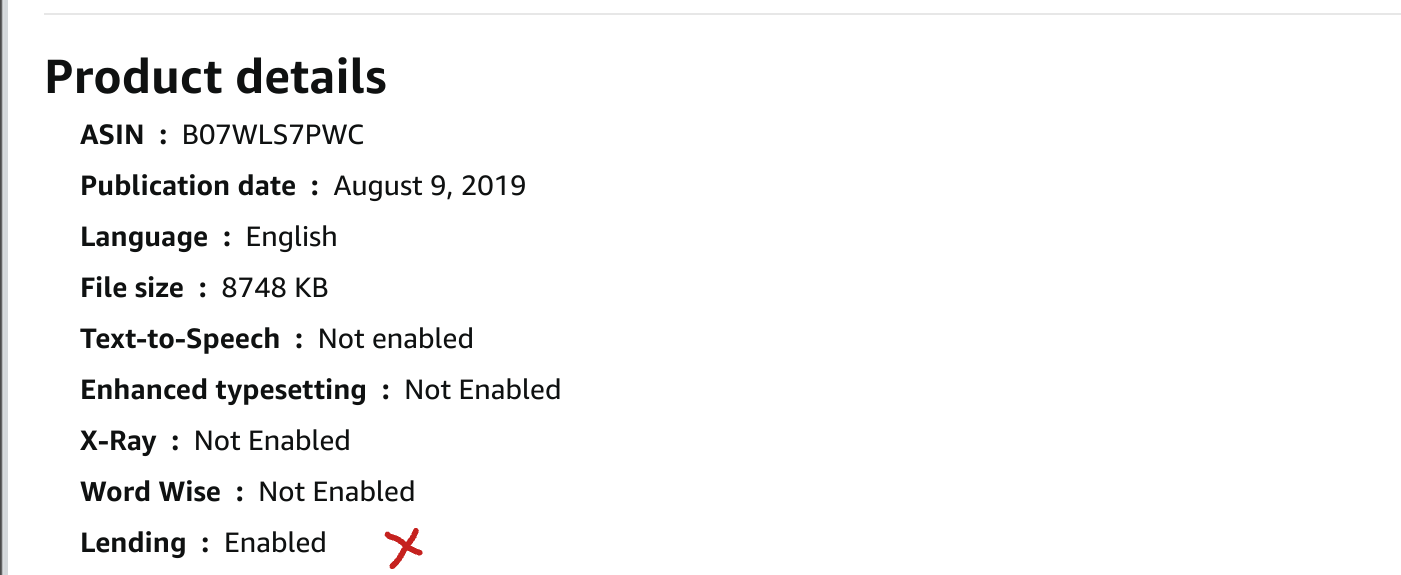
All of this aside, I thought that Kindle books allowed purchasers the opportunity to share the content they had purchased. It turns out I was correct, but authors decide whether this opportunity will apply to their work. Whether this opportunity has been provided is something that potential purchasers can determine before completing a purchase as the decision of the author is part of the product details displayed in the Amazon page describing a given book. The $9 textbook does allow lending.
To be clear, the Kindle lending provision is for 14 days and access to the book reverts to the purchaser after that time frame. Amazon allows authors to make other opportunities available. Kindle authors can also allow their work to be part of the Kindle unlimited plan. This is a “all you can read” plan readers purchase for $10 a month. This allows access to both print and audiobooks and I seriously considered enrolling because I purchase more than a book/audiobook each month. However, again authors make the decision as to whether their work is included and most of the content I purchase was not.
Posted inUncategorized|Comments Off on Digital first sale
Google Photos is a great cloud storage alternative for all kinds of stuff. Recently, Google has cut back the free storage allotment for this content to 15 GB. If you make heavy use of Photos and Drive, you are likely to surpass this minimum. I am in this situation and now pay a few dollars a month for another 100 GB of storage. For me, this is a reasonable price for the security of the off-site storage. For those who want to keep their storage costs down and stick with the free plan, this post from 9to5Google offers some helpful suggestions.
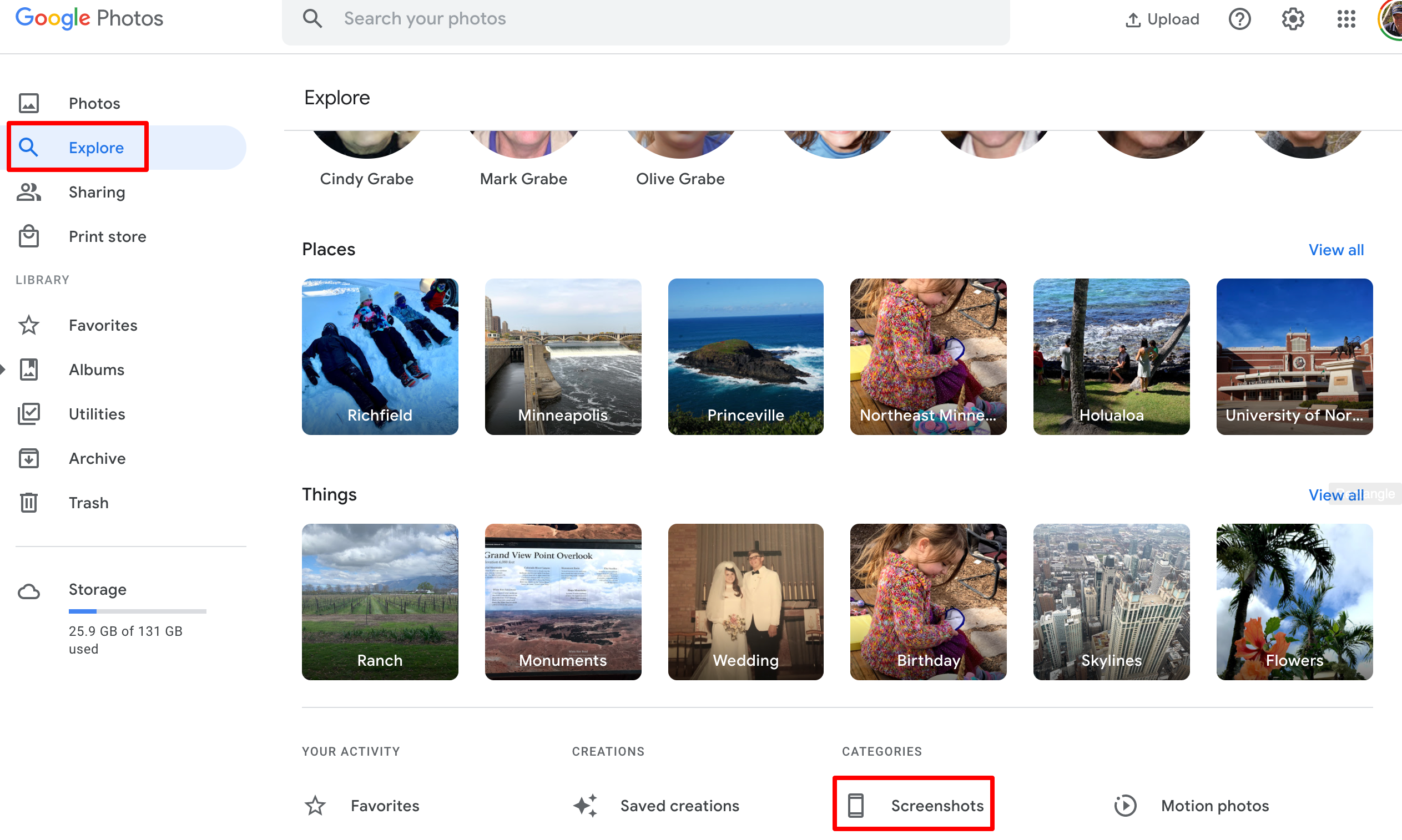
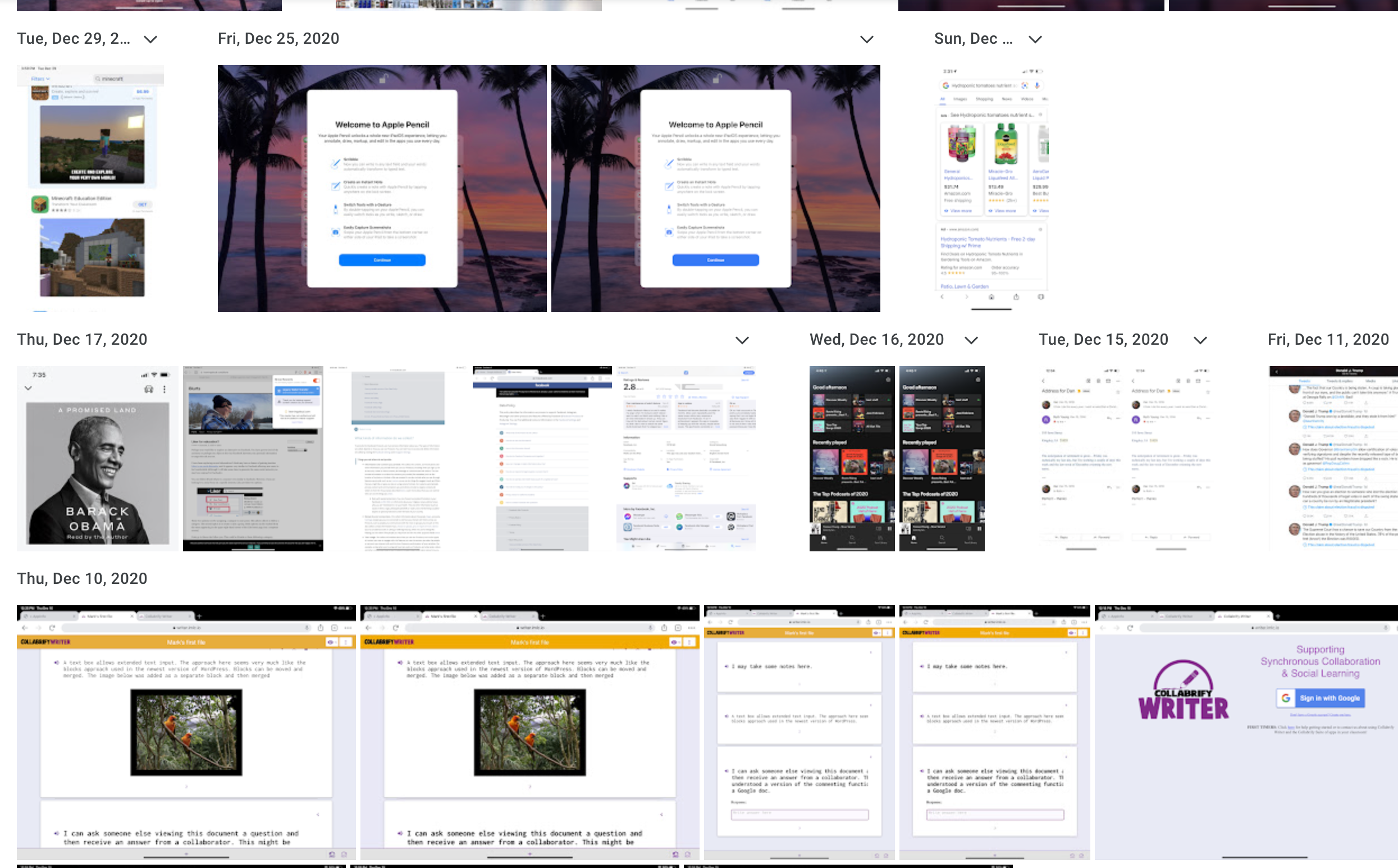
Google makes storage so easy and automatic Google tools users end up storing a great deal of content they probably have no long interest in keeping. One useful example from the 9to5 post was screenshots. Educators and those of us who write about technology are constantly taking screenshots for demonstration purposes and the auto storage capability of Google Photos uploads all of this content to our account. The post explained how easy it is to locate certain categories of content that can be easily located and then deleted.
Photos offers options for finding certain categories of content and screen shots happens to be one.
Once differentiated from other content, it is efficient to go through a delete what has no long term value.
I am a Brave browser advocate and have been frustrated by the version of Brave available for the Chromebook. This version blocks ads, but does not allow the accumulation of BAT and the compensation of content and service providers. I suppose allowing such opportunities runs contrary to Google’s business model as Google ads and ad business would not benefit. However, Chromebooks also can run Linux and there is an Android version of Brave for Linux. I wanted to give it a try.
I no longer make much use of Linux and had only a very basic understanding when I used to run Apache servers on Macs. I was able to find instructions for activating Linux on a Chromebook and install the android version of Brave. Often, I have some difficulty with such installations. Often, I can get the basics to work, but then have difficulty with an important peripheral not working (e.g., accessing the Internet). These instructions from Linux Made Simple worked perfectly. It did help when I remembered to Control-Shift to get copy and paste to work. The Linux install commands can get long and I had some problem with knowing when what appeared as a space was a space until I could copy and paste the commands.
Once Brave was installed, I was able to add the extension I rely on (LastPass and Evernote) without regard for the OS used to run Brave/
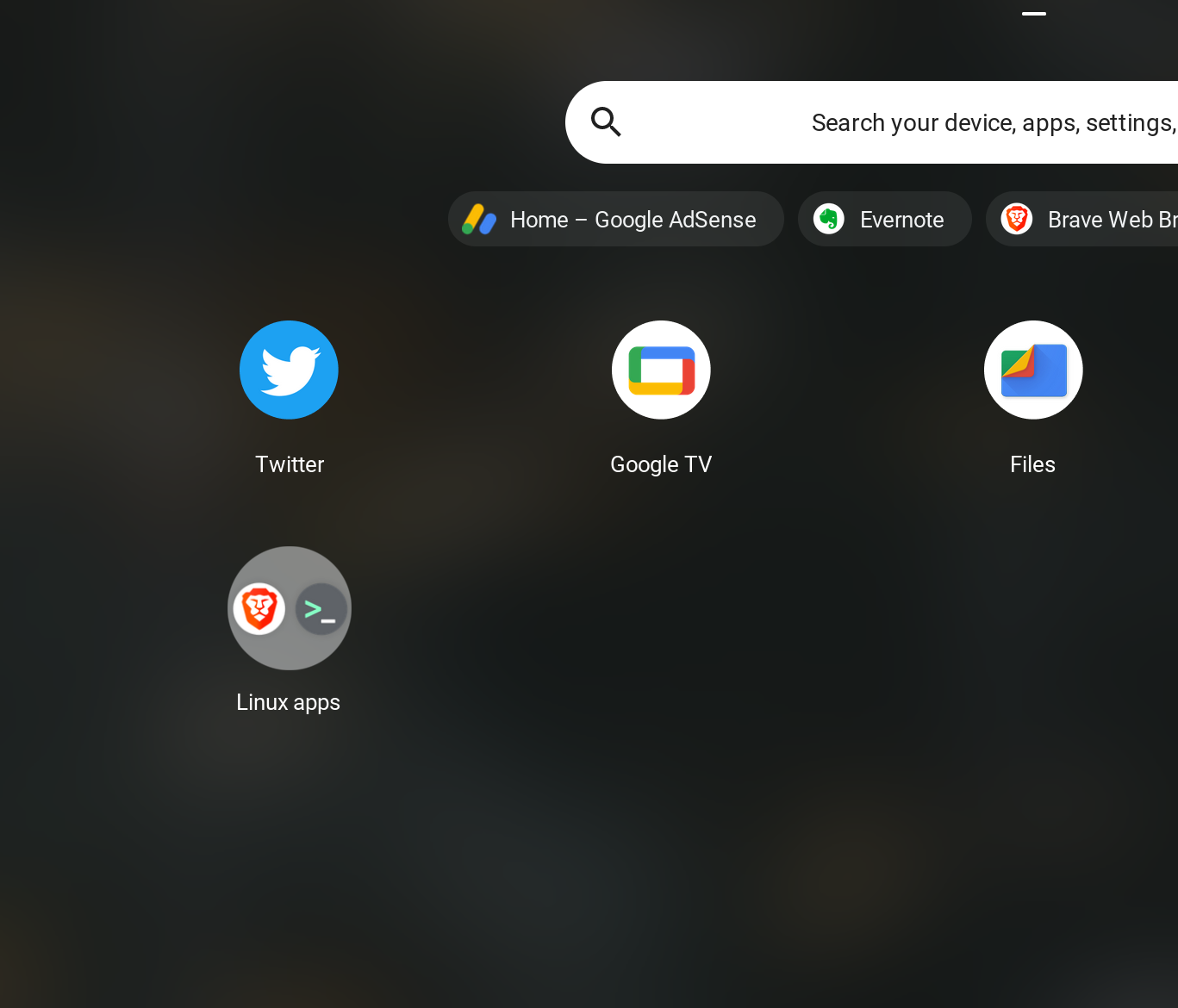
The Linux android apps are launched here,
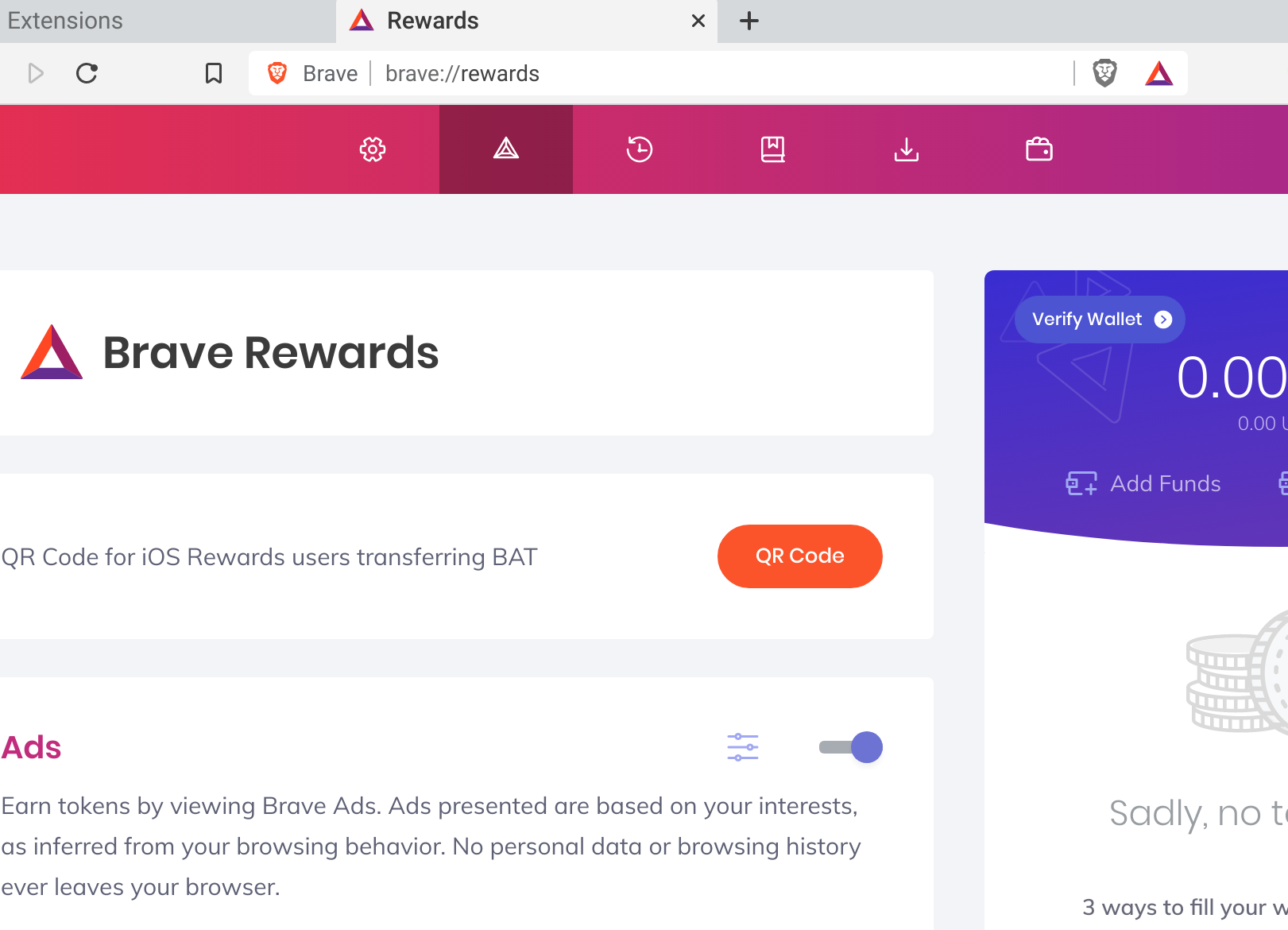
The Brave rewards settings not available on Chrome are available in Android.
I have found that this version of Brave to be a bit laggy and I must be careful when entering text as I can type faster than text is displayed generating more errors than usual. I have a Google Pixelbook (one generation before the present version) and I would be interested in the experience of others running the Android version of Brave.
I have multiple reasons for diversifying my social media use. I purposefully search for services that are similar to Facebook and Instagram and spend some of my online attention with these alternatives.
My alternative to Instagram is Pixelfed. Instagram users will be very comfortable with Pixelfed once they understand the concept of a federated service and either convince acquaintances to move to the new site or find new individuals to spend time with.
The following video offers and overview of Pixelfed and the concept of a federated service.
We use cookies to ensure that we give you the best experience on our website. If you continue to use this site we will assume that you are happy with it.
You can revoke your consent any time using the Revoke consent button.


You must be logged in to post a comment.