Data on pandemic learning – not too bad

The NWEA (think MAP testing folks) offers some data on student learning during the pandemic. The general summary – not too bad. Students taking the exam (an important consideration) scored a bit lower in math, but at about the same level as usual in reading. This outcome is an improvement over what had been predicted by such agencies as Stanford’s Center for Research on Outcomes.

This makes perfect sense to me. Reading is a skill area in which explanations for how it is done are extremely difficult to generate. You can tell if a student comprehends, but telling them how to go about comprehending is difficult. Time engaged and encouragement are important. Math lends itself more to feedback and demonstration. The assistance one might experience in a classroom is not as easy to deliver online.

Issues of participation and access are distinct from the success of what available access can produce and there are obvious concerns here.

Loading

Posted in Uncategorized | Comments Off on Data on pandemic learning – not too bad

Institute for Digital Public Infrastructure

The Institute for Digital Public Infrastructure studies the potential of the internet as a resource for the public good as an alternative to profit-making ventures. Think of this as the contrast between commercial television and public television or radio. I think of some of the concepts advanced by this organization as a return to what I used to call the Participatory Web or Web 2.0. The organization will offer academic papers, a podcast series, and gobo.social which uses your Facebook and Twitter feeds to demonstrate how algorithms can influence what you see. If you listen to podcasts and are interested in the future of the Internet, I have enjoyed the focus of this podcast.

Loading

Posted in Uncategorized | Comments Off on Institute for Digital Public Infrastructure

Maybe the FCC will act

The pandemic has revealed many gaps in addressing equity issues. While there is hope that in a few months things will normalize to a great degree, there may some motivation to address the problems that have been revealed.

The challenge of engaging all students in distance learning brings attention to a less visible problem that was previously described as the homework gap. As many as 9 million K12 students are without broadband access from their homes. It has become clear just what a significant problem this is with many students just disappearing as schools attempt different strategies to involve them in online learning. The homework gap was the phrase used to describe this same problem before students were forced into learning at a distance. These same students had previously lacked the opportunities to use the Internet to complete assignments at home and were limited in a more general way by this lack of access. The same would be true for their parents. The end of the pandemic will leave them in this same place.

A recent report The Online Learning Equity Gap examines this issue anew and proposes that the FCC could address this issue by an expansion of the e-rate program. With the new administration, the report proposes that the FCC may now be willing to increase funding so that this problem can be addressed.

Loading

Posted in Uncategorized | Tagged | Comments Off on Maybe the FCC will act

COVIDawareMN

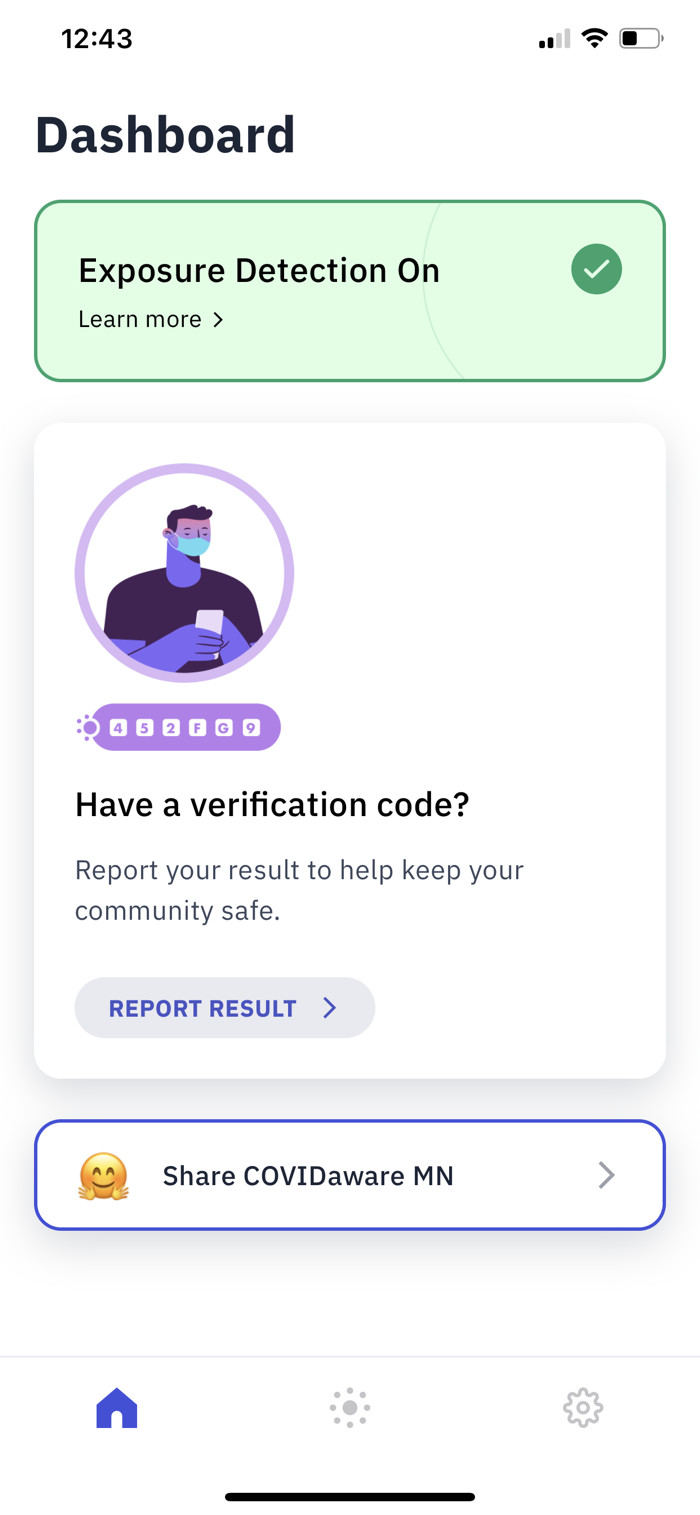
I downloaded the CovidAwareMN app to my iPhone today. I have heard about this type of technology for some time but had not made the effort until I learned it was being pushed in my home state. CovidAwareMN (CovidAwareMN web site) explains how the app works focusing on security issues. The app is a free download from the Apple app store or the Google Playstore.

The app works using bluetooth (you will need to have bluetooth turned on) and exchanges a randomly generated identification code with another phone with the same app when you are in close proximity for at least 15 minutes. A record of these codes is accumulated. Codes of those using the app and testing positive are downloaded to your phone daily to see if there is a match indicating you have been exposed. You are responsible for indicating you have COVID.

Privacy is maintained by the use of the random codes designated by the apps. If notified, you are not informed of who was responsible for the exposure. This system assumes infected individuals will use the app to indicate they have tested positive. Only phones with the app installed and active exchange the codes.

The article in StarTribune described North Dakota as an early adopter of a similar system, but indicated only 5% of the population had installed the ND app.

Use of this app will not replace more traditional contact tracing, but it can be useful in addressing the situation in which so many seem unaware of how they might have become infected. I doubt this app has any value to me personally because I am retired and so spend no time in a work setting, don’t visit other people’s homes, and very rarely enter a store. I think adding the app to your phone is simply what everyone should do.

Don’t forget your kids. They have phones too.

Loading

Posted in Uncategorized | Comments Off on COVIDawareMN

Wakelet for student blogs

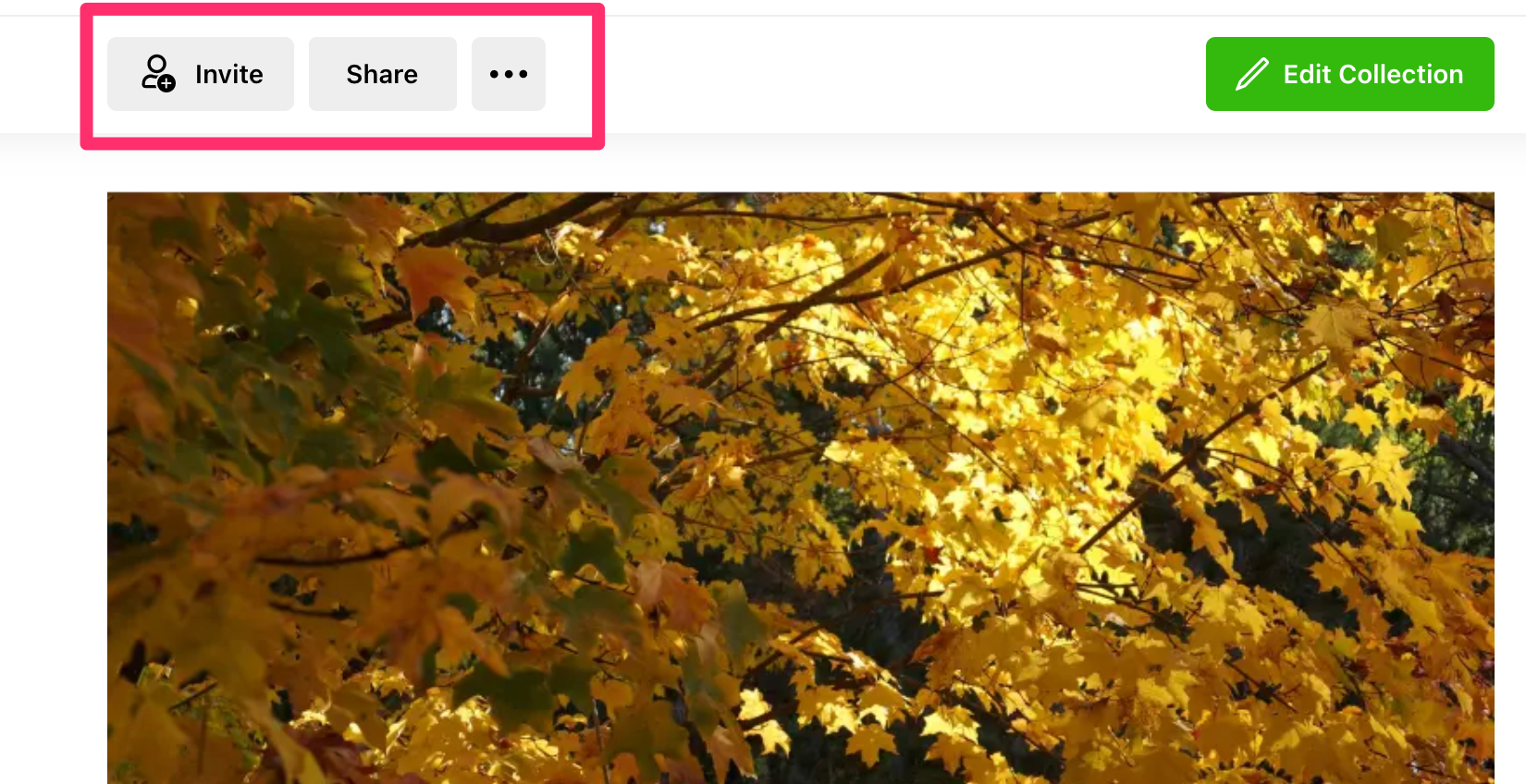
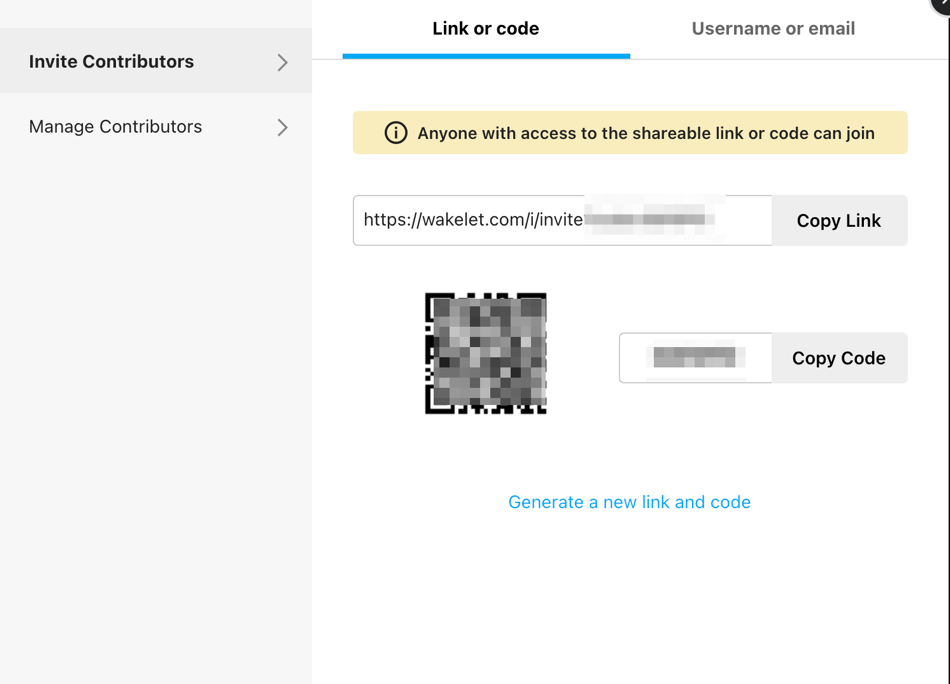
Wakelet is a versatile tool. Here is my summary of a recommendation I saw on the Ditch the Textbook blog. Jon Fortnoy notes that while older students can have their own Wakelet accounts this is not appropriate for students until they are older than 13. Fortnoy’s idea is that the teacher with a Wakelet account can create a Wakelet collection for each student and add individual students as a contributor to that personal collection. Once a collection has been created, one button will generate the URL for sharing and another button for inviting contributors.

The URL for sharing this collection would not allow access to others. A separate document shared among students and perhaps parents (e.g,. a class Google doc) would allow viewing of the collections.

For example, here is a shared collection from my Wakelet account. You can view this collection, but would have to be able to signin to modify youself

https://wakelet.com/wake/7DWTMwiSI1aDwT9fM2T1n

Loading

Posted in Uncategorized | Tagged , | Comments Off on Wakelet for student blogs

Google Photos Capabilities

Google Photos is a great service for storing and organizing large collections of images. It has some amazing capabilities many probably never explore. Here is an anecdote illustrating a capability that can be quite powerful.

A year or so ago Cindy and I were able to take a lengthy trip to southern Africa. The opportunities for photography were unrivaled and I kept hundreds of photos on my computer, in Flickr, and in Google Photos. Yesterday, Cindy was putting together a gift to send to a friend she has not been able to see for months because of the pandemic and she wanted to include a couple of small things she had purchased in Africa for her friend. She wanted to send a picture of the market in which she had purchased these gifts to show something of the unique culture we had experienced. One of the gifts was a copper bracelet. Copper mining is an important industry and local artists create different pieces appropriate as gifts. She remembered taking a photo at the market but could not remember where or exactly when. What she did remember was that she had made the purchase while we waited for our bus to have its turn on the ferry that docked next to a large bridge that was still under construction.

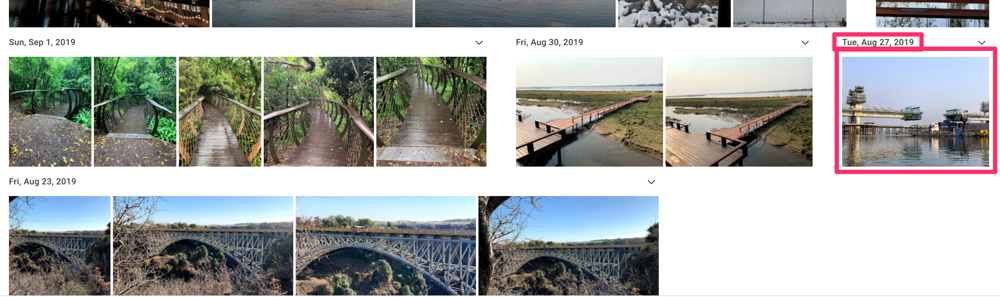
I tried to find an appropriate photo of the market in my collection without luck, but I decided to search Google Photos using what she remembered about the event. I searched for “bridge”. Just to be clear, this was not a search of labels or text I might have added to the thousands of photos I have stored. I was asking Google to return all pictures of bridges.

The combination of bridge and an understanding of the general time period we were in southern African found the specific date and image of the bridge under construction.

Cindy was able to use the EXIF stored data of my photo to find an appropriate image in her own collection. So this is a capability worth exploring – use search in Google photo to locate images containing objects you know you have photographed.

Loading

Posted in Uncategorized | Tagged , | Comments Off on Google Photos Capabilities