Climate change is something all of us make take responsibility for, but the consequences will be most strongly experienced by the young among us. The following resources were created to explain climate change to school-age learners and to offer suggestions for what they can do in response.
Cindy scans IndieGoGo to find small projects she invests in. Some turn out and some do not. This is the nature of investing in innovations. I am not certain I have ever understood her selection criteria, but many seem to combine her interest in education and technology.
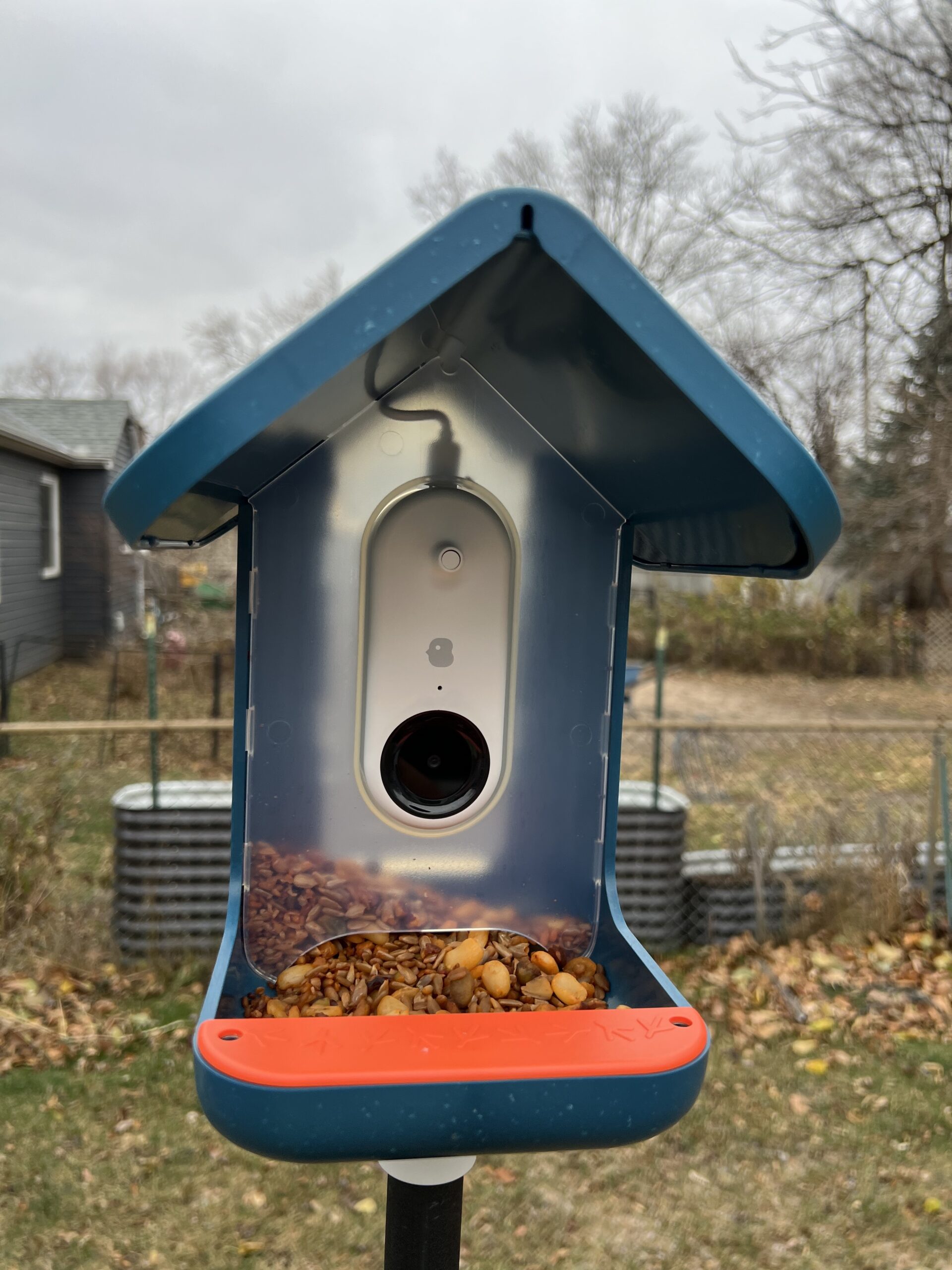
Nearly two years ago now, she invested in Bird Buddy. The project proposed the development of a combination bird feeder and motion-activated camera that would use AI to identify birds that were photographed, link to related information, and share this information with the owner of the feeder and designated buddies. This sounded like a tool that had great promise for teachers who could use the buddy for all kinds of science and writing projects.
We knew the Buddy was in production when we saw marketing to attract new customers. Finally, we received ours and got it set up. It takes a few days to get birds to come to a new feeder and ours is now attracting birds. The reviews on the product have varied with some having positive and some negative experiences. We have been among the lucky ones if product quality has been an issue, but it is a new product and attracting interesting birds can be challenging which contributes to the adventure.
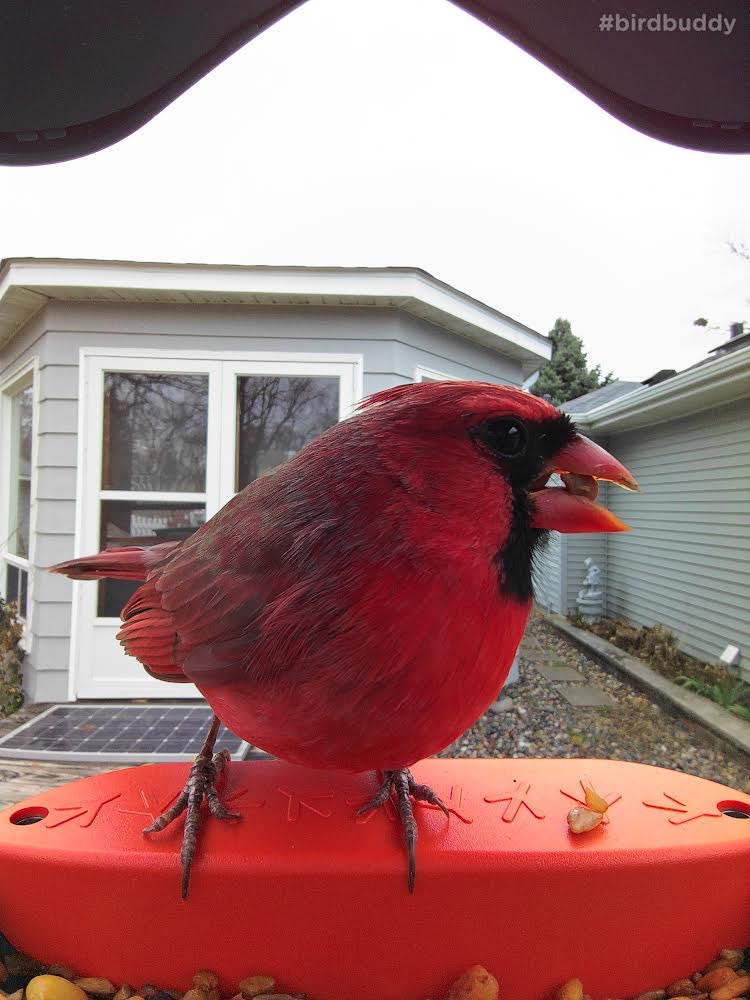
Our first photo.
This is a great photo. We were probably lucky, but Cardinals are common visitors to our other feeder and frequent the pine trees near our house. So, the system works.
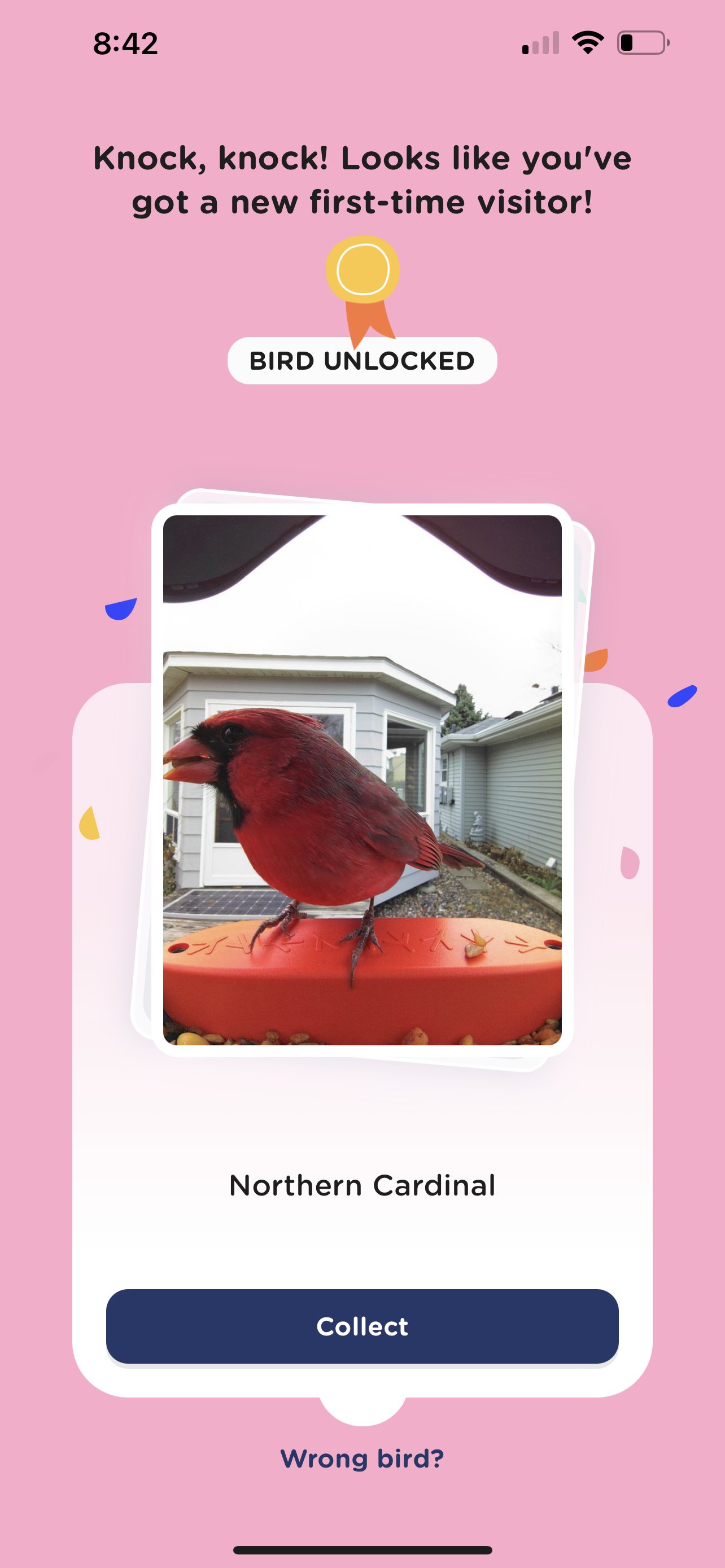
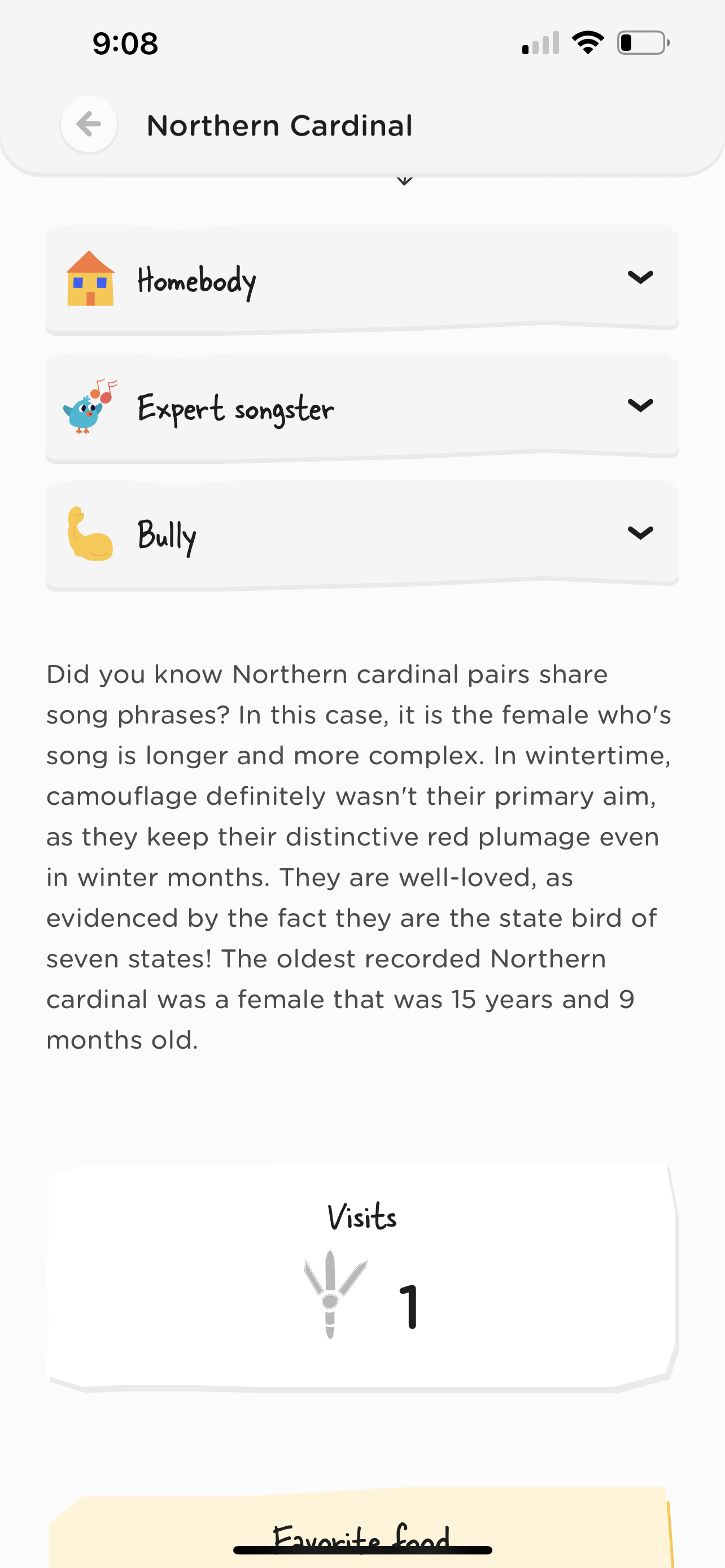
The system does correctly identify birds and it does provide additional information (some examples follow). The software that supports the feeder also allows the sharing of images with those you connect via an access code.
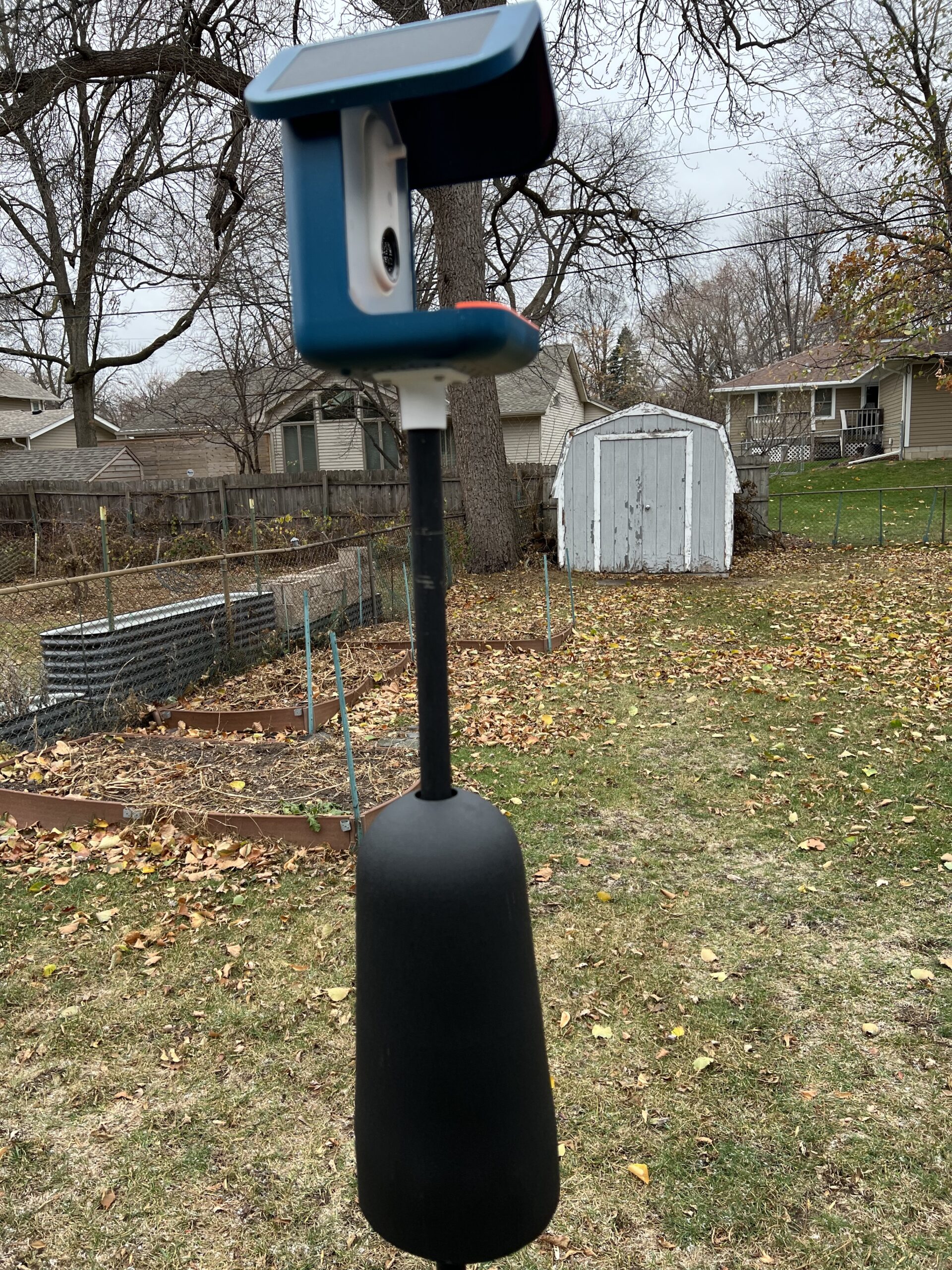
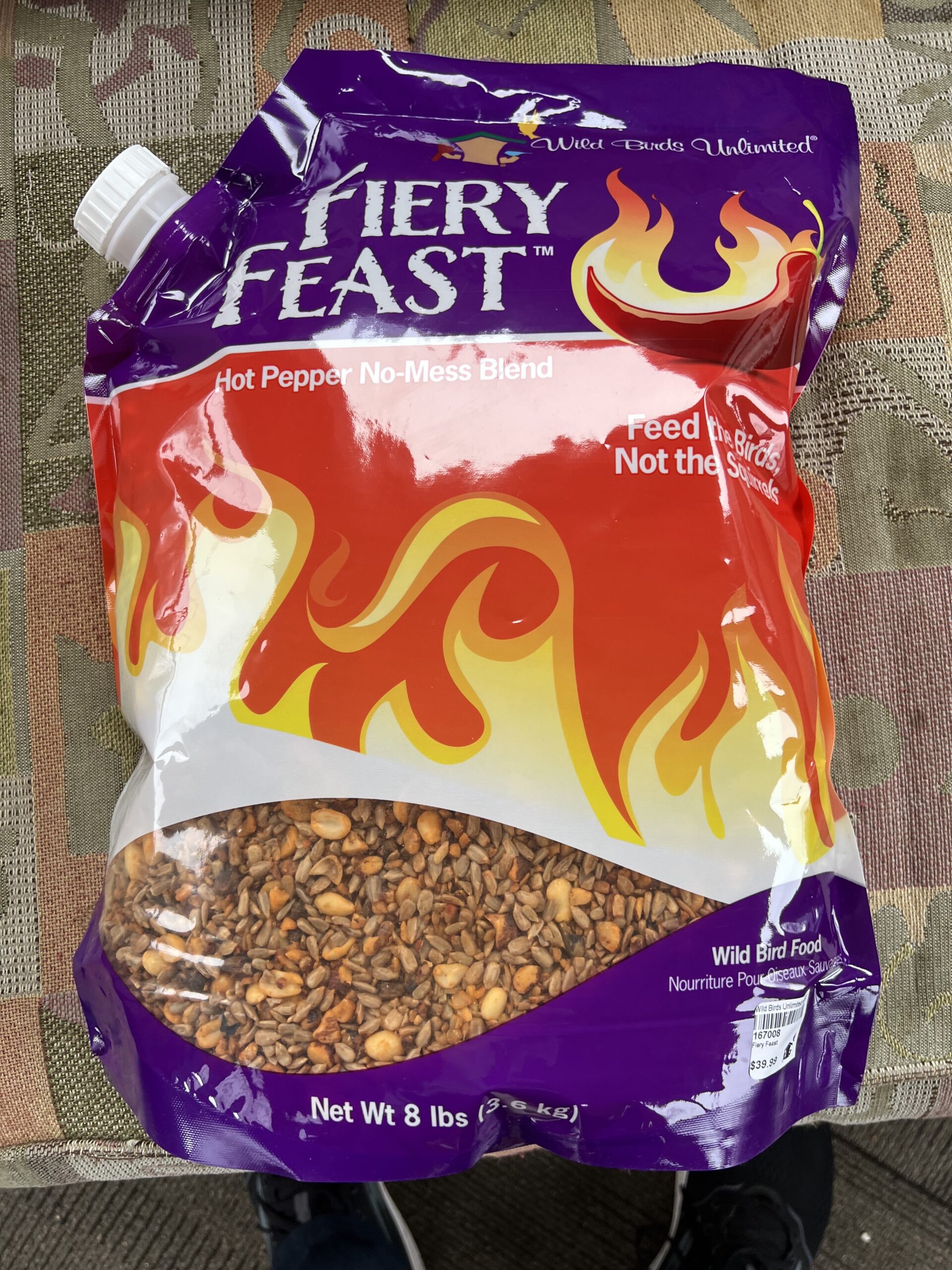
A little more about our setup. The other equipment was purchased separately and focused on limiting squirrel access. The Bird Buddy is plastic and squirrels will gnaw through plastic to get at food. The peppered seed is interesting. Evidently, birds must not have taste buds that sense spicy. This stuff must be really hot as you are not supposed to handle it without protection. The baffle on the pole is a second squirrel defense.
My recent technology exploration and writing have focused on social highlighting and annotation. The idea here is that one can expand personal reading/viewing experiences by processing the content highlighted and notes on similar topics added by others. Do others focus on similar ideas from the content both you and they have consumed? What else do these individuals who appear to have similar interests read/view that might expand my personal perspective?
The following video offers a simple explanation of how to use Glasp. The video also explains what I have found to be a unique opportunity with this online service to locate and connect with the content others have identified that is similar to my own interests.
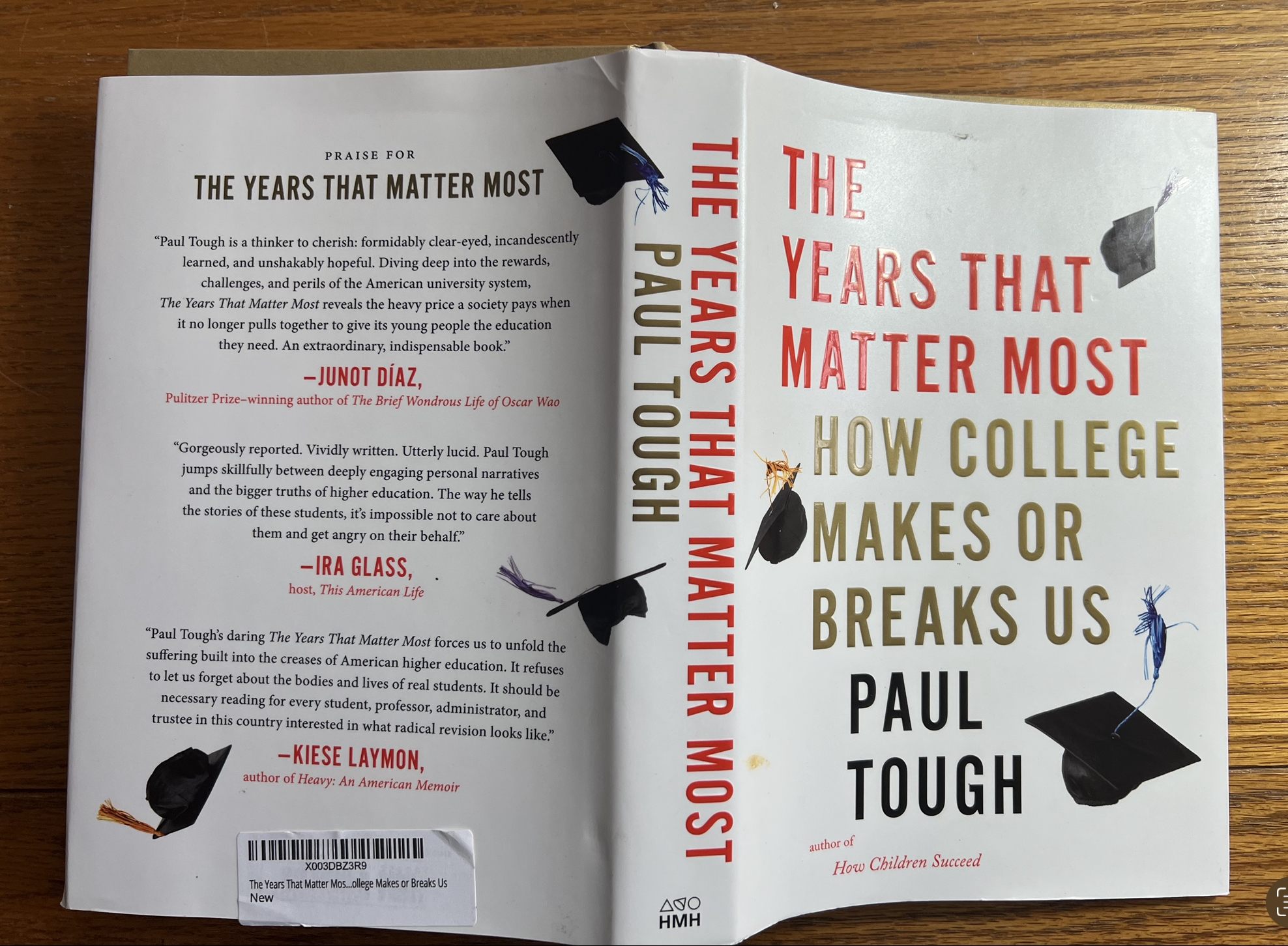
I realized with the exception of a few books I have purchased to get signed copies of books from author friends, this is the first paper book I have purchased in a decade. I no longer find the experience of reading a book with my yellow highlighter productive. I read digital books so I can alter the size of text and so I can highlight and take extended notes connected to source material. When you read something I have written on one of my blogs, it is often based on the digital notes I have taken, stored, organized, and retrieved at a later date.
I purchased this book because I made an error in ordering from Amazon. Reading it has been a reminder of the advantages digitized content allows.
Posted inUncategorized|Comments Off on Bought a book
The Smithsonian Learning Lab offers digital resources and tools to the public. The lab promotes it functions as Discover, Create, Share, and Learn and offers resources hoping that educators will share how they use these resources and instructional materials created with these resources with peers.
The Create function offers educators tools they can use to repurpose existing resource collections or create a new collection from scratch. The tools go beyond selecting resources and allow the educator to annotate, add quizzes, and incorporate assignments.
Posted inUncategorized|Comments Off on Smithsonian Learning Lab
ACT scores continue to decline with 40% of those taking the test (supposedly interested in college) not meeting any of the standards for doing college work (performance in English, reading, math, and science). While the ACT organization says that COVID plays a role in this decline, the downward pattern has existed for some time and COVID only increased the rate of decline.
Posted inUncategorized|Comments Off on ACT scores continue to decline
We use cookies to ensure that we give you the best experience on our website. If you continue to use this site we will assume that you are happy with it.
You can revoke your consent any time using the Revoke consent button.



You must be logged in to post a comment.